


Govt working to clean four major rivers
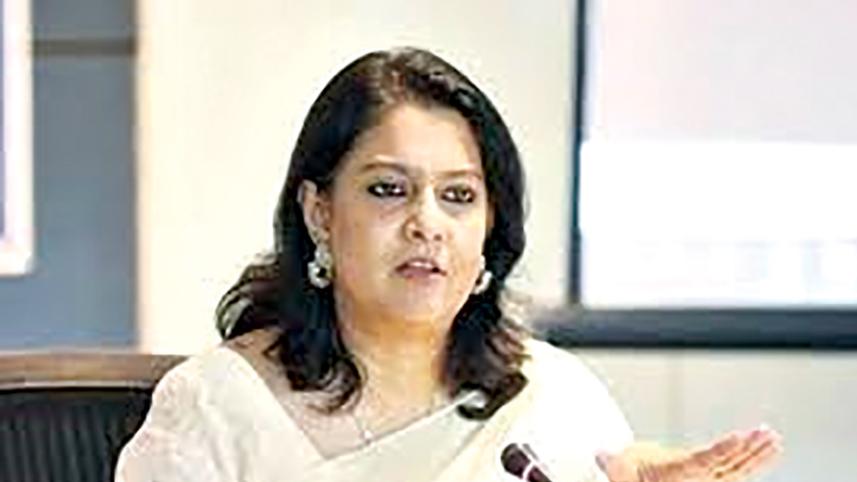
The govern-ment has initiated a working plan to clean the polluted waters of four major rivers -- Buriganga, Turag, Balu and Shitalakkhya -- that surround the capital, said Environment Adviser Syeda Rizwana Hasan yesterday.
"We are taking steps to clean the rivers and hope to implement the initiative based on the availability of resources," she said while addressing a dialogue at the CIRDAP auditorium as the chief guest.
 For all latest news, follow The Daily Star's Google News channel.
 The discussion, titled "Reforming Waste Management and Ensuring the Right to a Healthy Environment", was organised by Bangladesh Legal Aid and Services Trust.
Rizwana acknowledged that a river cleanup is a time-consuming process but stressed the importance of persistence.
"Saving the Buriganga from pollution is making the impossible possible, as the oxygen level in its water is less than zero," she said.
She highlighted the presence of heavy metals like chromium, antibiotics, and 2-3 metres of polythene deposits at the riverbed.
"We are in talks with the Asian Development Bank and other development partners to save these rivers," she added.
Stressing the need for improved waste management at municipal and union levels, Rizwana said, "We have already initiated the removal of 4,500 outdated buses to curb air pollution. Decentralising governance and delegating waste management responsibilities to local governments is crucial."
Air Commodore Md Mahbubur Rahman Talukder, chief waste management officer of DSCC, noted that the city corporation has introduced a "health card" initiative for sanitation workers. He underscored that without adequate financial and human resources, poor waste management would pose greater health risks.
Speakers at the dialogue emphasised the need to ensure the professional safety and protection of waste management workers. They called for collaborative efforts to turn waste into resources and comprehensive measures to prevent illegal land and river encroachment using solid waste.
Lessons from union-level waste management initiatives could provide solutions to existing challenges, they said.
Additionally, they stressed the importance of awareness campaigns, housing facilities for sanitation workers, and employment opportunities through coordinated government and private sector efforts.
Participants also recommended converting abandoned land into agricultural fields through proper waste disposal, reviving dying rivers affected by liquid waste, and incorporating community service into the legal system as part of probation measures.
The event was presided over by BLAST honorary executive director Sara Hossain.
Panellists included Ishrat Shabnam, country director of Practical Action Bangladesh; S Hasanul Banna, senior lawyer at Bangladesh Environmental Lawyers Association; Ayub Karam Ali, chairman of Bridge Academy and Mohammad Sirajul Islam, senior academic coordinator at BRAC Institute of Governance and Development (BIGD). The dialogue was moderated by BLAST adviser Ahmed Ibrahim.