


Understanding the accession of King Salman in Saudi Arabia
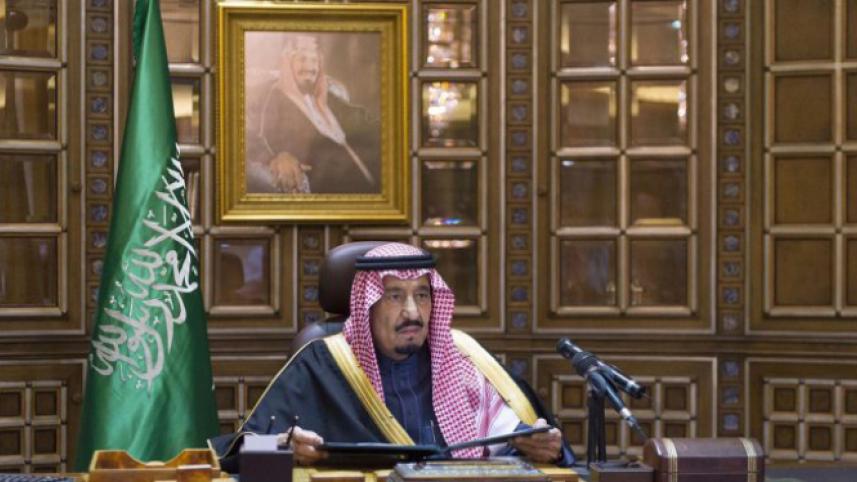
It is no wonder that the death of Saudi King Abdullah recently saw a seamless transition of power to King Salman his half brother. In a few hours it was 'business as usual' and the world heard no rumblings in the Saudi Arabia desert kingdom. This is how transitions are meant to be in that part of the world. But questions remain about the nature and policies of the new monarch -- the custodian of Islam's two holiest places.
Friends of Saudi Arabia would like to know whether there will be changes now in the Saudi position in the world's geo-political arena. Others are keen to understand whether there would be changes taking place in the Middle East and about its relations with the United States and Russia. Yet others are curious whether the fall in the price of oil will continue and what would be the Kingdom's policies on the 'Islamic State of the Levant' and its own domestic issues.
 For all latest news, follow The Daily Star's Google News channel.
 One of the noticeable things within a few hours of King Abdullah's passing was that the Sudairi clan, or what is clearly a powerful alliance of seven brothers from their mother Hassa Bint Ahmed Al Sudairi, took power away from King Abdullah's faction. The late king was a half brother of the seven Sudairi brothers. Thus, King Abdullah's plan to have Prince Mutaib, the minister in charge of the Saudi National Guard, to be his successor to the Saudi throne was dashed. Not only did King Salman establish himself in power but he also brought his brothers who are in their thirties and fifties into prominence. Thus, the King seems to have brought a generational change in the future leadership of Saudi Arabia. The Sudairi clan is back in power and is likely to be the key driver in making both domestic and foreign policies.
The 'virtual takeover' by the Sudairi clan means several things. First, King Salman is likely to continue to keep the price of oil low in the international market for the next half a year at least. This will help to stabilise the international oil market. But it will be detrimental to the interest of Iran and Russia as well as to some of the other important oil producing nations. King Salman's policy to keep oil prices low may mean that Saudi Arabia may not be keen to see Iran come to an understanding with the West on the nuclear issue. This may impact on the price of oil globally.
In the domestic front, the accession of King Salman may not augur well for the reform agenda inside Saudi Arabia. The late King Abdullah was known as an eager reformer putting emphasis on empowerment of women in Saudi Arabia. They had made great strides in business and education. Late King Abdullah also was progressing on curbing corruption in Saudi ministries. He had also taken steps in curbing the powers of the Ulema. King Salman will also do the same but he may not be forthcoming in promoting women emancipation. But Saudi youth would be better placed under the rule of King Salman. Defense Minister Prince Mohammed bin Salman as well as the Deputy Crown Prince are keen to support the cause of youth and in guiding them in conservative values. Opportunities for youth are, therefore, likely to improve in the future.
With a group of young princes in positions of power now in Saudi Arabia the country is expected to run along conservative lines with appropriate changes in policies that would open new opportunities for the youth. Technology would get a boost with the young adopting to new methods of work.
Curious times are ahead for Saudi Arabia under King Salman. Incremental changes in style in governance are likely in certain areas, but major changes in policy are unlikely to take place. Saudi Arabia will move imperceptibly but in a determined manner towards progress and affluence. Nothing spectacular is likely to occur unless drastic changes take place in the international order. The youth of Saudi Arabia will be an important factor in determining how things turn out. The rise of militancy in the Middle East, especially the future activities of the 'Islamic State,' will determine what the politics within Saudi Arabia will be. No doubt King Salman will have much on his plate in the coming years.
The writer is a former Ambassador and a commentator on current issues.
E-mail: ashfaque303@gmail.com